- Home
- Product
- Rubber Tire Cranes
- Overhead Bridge Cranes
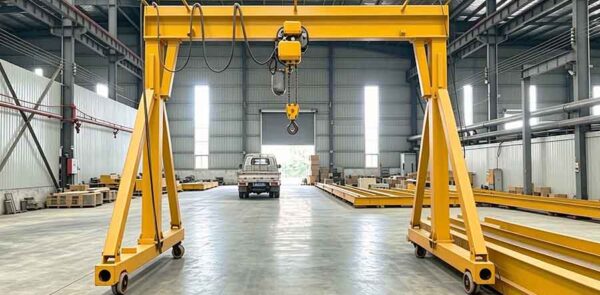
- Gantry Cranes
- Custom Special Cranes
- Ladle Handling Overhead Crane
- Energy Recycling Overhead Crane
- Battery Swap Station For Trucks
- Scrap Yard Gantry Crane
- Pot Tending Machine
- Cold/Hot Rolling Mill Overhead Crane
- Slab and Billet Handling Electromagnetic Cranes
- Paper Mill Dry End Overhead Bridge Crane
- Paper Making Wet End Overhead Cranes
- Four Girder Ladle Crane
- Explosion Proof Crane
- Shipyard Gantry Crane
- Metro Construction Gantry Crane
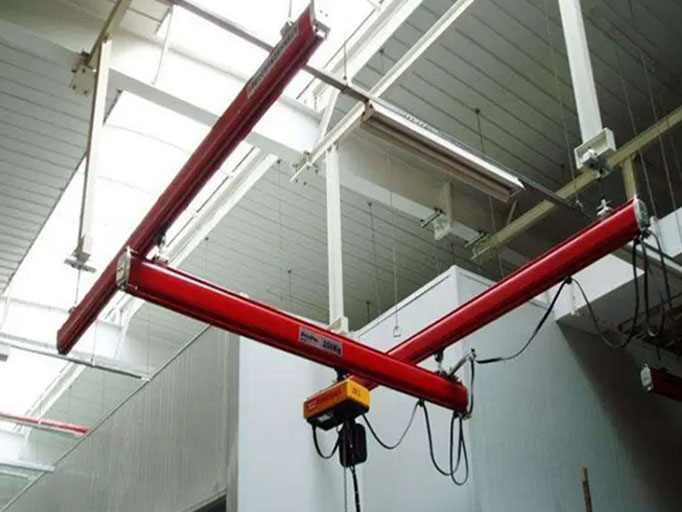
- Jib Cranes
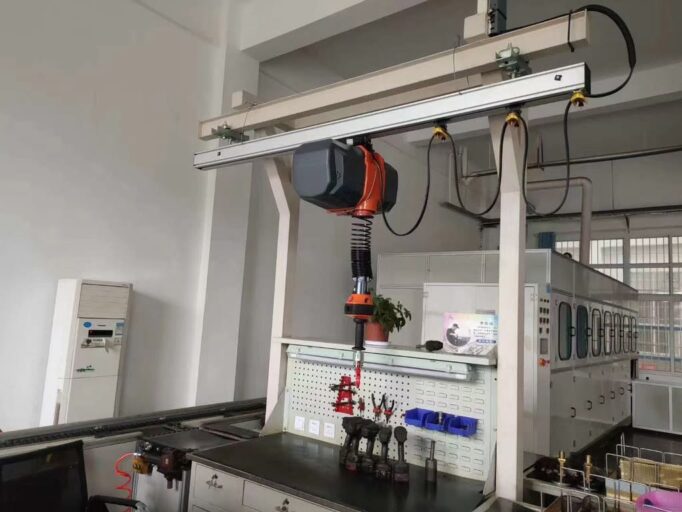
- Workstations Crane System
- Electric Hoists
- Below-the-Hook Lifting Devices
- Ladle Hooks & Beams
- Crane Lifting Magnets
- Telescopic Magnetic Beam
- Electric Hydraulic Orange Peel Grab
- Clamshell Grab Bucket
- Crane C Hook
- Vertical Coil Tongs
- Tilting Coil Tong
- Coil Tong
- Billet lifting clamp
- Sheet Metal Vacuum Lifters
- Vacuum Lifter For Glass
- Excavator Magnet
- Permanent Magnetic Lifters
- Transfer Cart
- Crane Parts
- Crane Wheel Block
- Overhead Crane Brakes
- Crane Gearbox
- Wire Rope Drum
- Crane Gear Motor
- Crane Modular End Carriage
- Crane Travel Power Supply Bus Bar System
- C Track Cable Trolley
- Crane Hook Assembly
- Crane Hook Assembly
- Electric Winch Trolley
- Industrial Radio Remote Control
- Crane Control Panels
- Crane Remote Control
- Steel Wire Rope
- Aerial Work Platform
- Container Spreader
-
 Customized Crane
Tell us your workshop conditions and get a tailored solution within 24 hours.
Get a Quote →
- Solution
- Service
- Resources
- About
- Case
- Contact