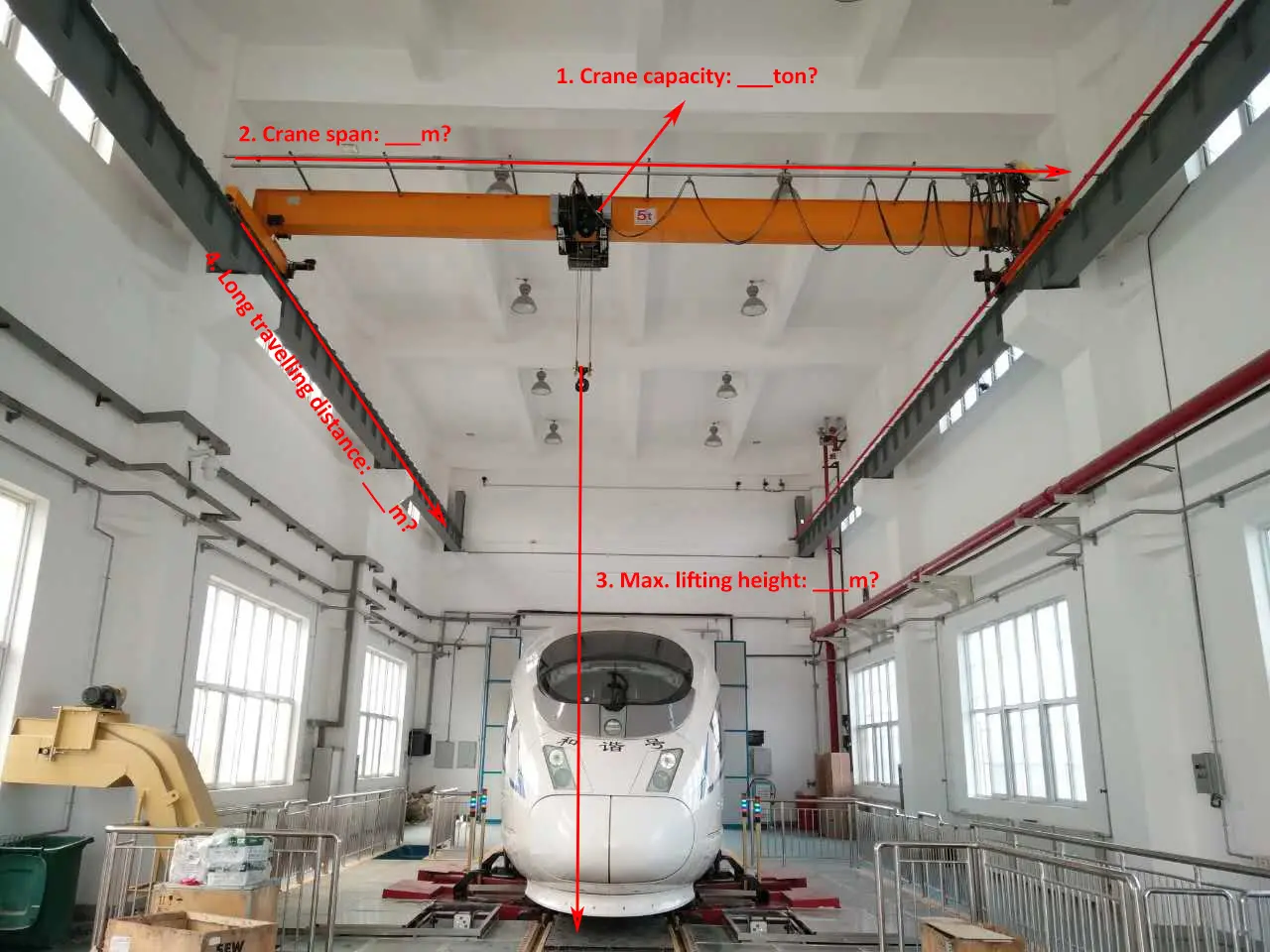
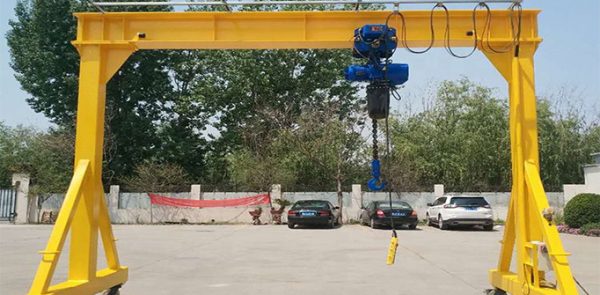
An overhead crane quote is only as accurate as the information behind it. Send us the eight specifications below and our engineers reply within 24 hours with a recommended configuration and budget price — usually without a single follow-up question. Miss a few and the quote needs assumptions, and assumptions cost accuracy.
The 8 specifications, at a glance
#
Specification
Unit / options
Why it matters
1
Lifting capacity
tons
Sizes the hoist, girder and wheels — the single biggest price driver
2
Girder type
single / double / not sure
Single is economical; double wins for heavy loads and hook height
3
Span
m (rail center to rail center)
Determines girder design and steel weight
4
Lifting height
m (floor to hook, highest position)
Sets hoist reeving and headroom requirements
5
Crane travel length
m (runway length)
Defines conductor system and cable length
6
Power supply
voltage / Hz / phase
Motors, panel and certification are built to your grid
7
Duty cycle
hours per day + loads per hour + % at full load
Determines the FEM/ISO duty class — under-specifying wears the crane out
8
Working environment
indoor / outdoor, dust, temperature, chemicals
Drives protection level, paint system and special features
The two specs buyers get wrong most often
Capacity: size it for your real work, not your biggest-ever lift
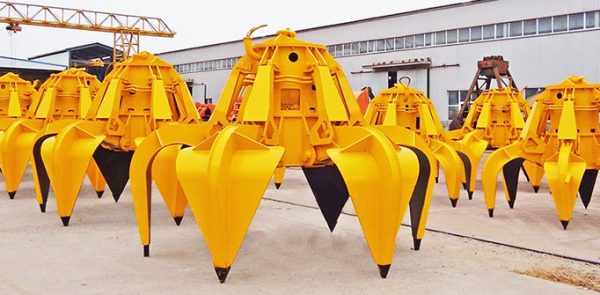
Rate the crane for your heaviest regular load plus the weight of any below-the-hook device (magnet, grab, spreader) with a sensible margin. Don't size the whole crane for a once-a-year lift a mobile crane could handle — every ton of rated capacity you don't use is money spent on steel you didn't need.
Duty cycle: the honest answer protects you
A crane quoted for light duty but run around the clock will wear out years early. Tell us the real numbers — hours per day, lifts per hour, how often at full load — and we'll classify it correctly. Our guide to crane working class selection explains what the classes mean.
Helpful extras (not required, but they sharpen the quote)
Photos or drawings of your building — column spacing, roof trusses and existing runway beams answer ten questions at once
What you're lifting — molds, coils, structural steel, machinery — this often suggests a better hoist or attachment
Send what you have. Our engineers fill the gaps free of charge — a rough building photo is enough to start. If you're still choosing between crane types, start with single vs double girder or the overhead crane family overview. Already own an overhead crane? If the structure is sound, often only the working parts need renewing — see crane modernization & retrofit.
Thank you for your interests in Kinocranes. Please feel free to submit your inquiry information to us. Our sales manager will contact with you as soon as possible.

 Customized Crane