

News|
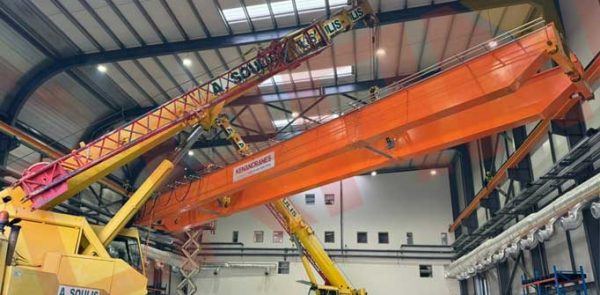
Crane Manufacturing Quality & ProcessWhen purchasing a crane, experienced industrial buyers know that reliability depends not only on design, but on how the crane is manufactured.
This page explains how manufacturing quality, welding processes, material control, and inspection procedures directly affect crane safety, service life, and operational risk.
By understanding what large end users and EPC contractors focus on, buyers can better evaluate crane quality before making a long-term investment.
News|
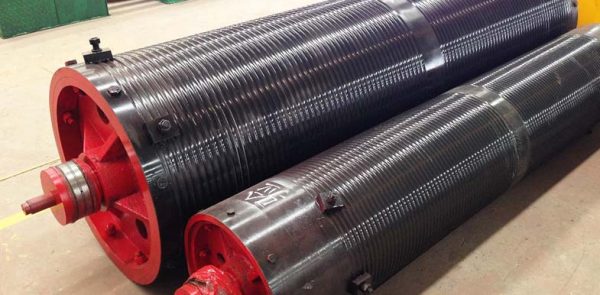
Crane Drum Assembly: Safety and Maintenance GuideThe crane drum assembly is a core component for modern industrial applications, valued for its heavy load capacity, rapid operation, and intuitive design. That said, it does come with some inherent safety risks.This article outlines the safe operating procedures and maintenance guidelines for crane drum assemblies to enhance operational safety and extend equipment service life. For a comprehensive…
News|
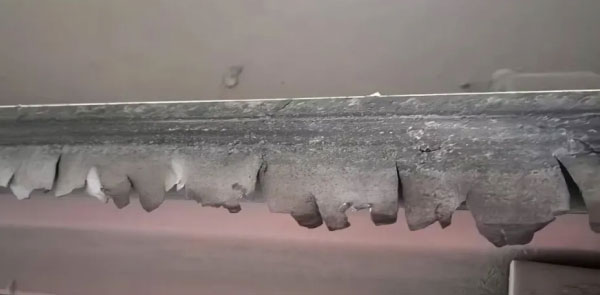
Crane Rail Tread Spalling: Causes, Mechanisms & PreventionAs shown in the images, crane rail tread spalling appears as thin, flaky peeling—often mistaken for simple hardness issues. This rare damage stems from rolling contact fatigue (RCF), where repeated wheel pressure creates subsurface micro-cracks and delamination. Factors like wheel-rail hardness mismatch, installation defects, foundation settlement, and harsh operations accelerate it.
Our case study breaks down the mechanisms step-by-step, from Hertzian stress distribution to shear-induced extrusion. The most effective fix? Replace damaged sections with high-quality, standard-compliant rails and ensure precise installation.
As a leading export-oriented overhead crane manufacturer, we design durable wheel-rail systems to prevent such problems. Explore our overhead crane series for long-lasting, safe solutions.

News|
Different Types of Container, Shipyard, and Cargo CranesLearn about the various types of cranes used in ports, shipyards, and cargo handling. From container cranes like quay and portal cranes, to shipyard gantry cranes and cargo handling equipment, this guide explores the functions, features, and best-use scenarios for each type of crane. Understand how selecting the right crane can improve operational efficiency, enhance safety, and meet specific logistics needs. Plus, stay updated on future trends like automation and eco-friendly innovations in crane technology.
News|
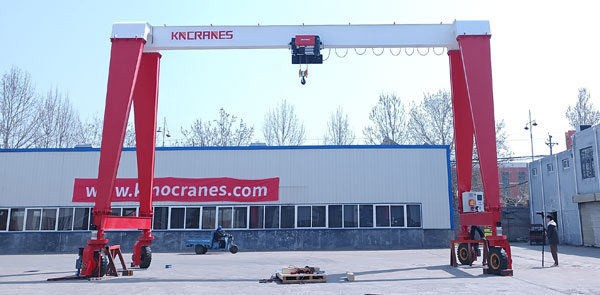
What is a Rubber Tyred Gantry Crane (RTG Crane)?RTG cranes are mobile gantry lifting systems used for container handling, yacht transport, industrial material transfer, and operations where fixed bridge cranes are not feasible. They offer high flexibility with electric or hybrid power, multi-directional travel, and advanced safety features.
News|
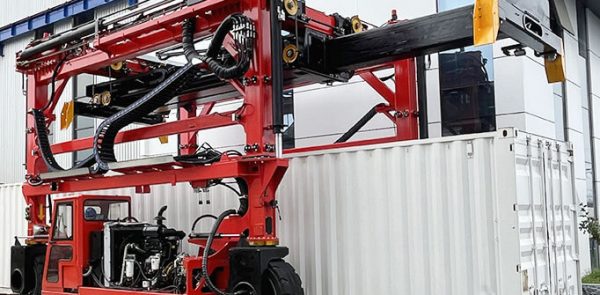
Straddle Carrier: Definition, Operation, and UsesA straddle carrier is a container-handling machine used in ports and container yards, designed to lift and transport containers by straddling them. This article explains its purpose, how to operate it, its height and stacking capability, and Kino Cranes’ engineering and manufacturing standards.
Industry News|
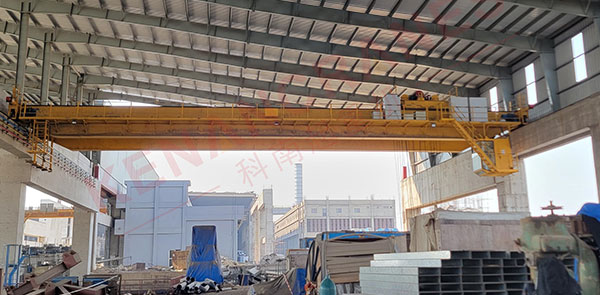
Crane Hoist Duty ClassificationThis beginner-friendly guide explains crane duty classes (Light M3 to Very Heavy M8) with real-world examples. Discover how load weight and daily usage determine the right crane for warehouses, factories, or mining. Includes international standard comparisons (GB/FEM/CMAA) and a quick-calculation formula to simplify your selection.
Industry News|
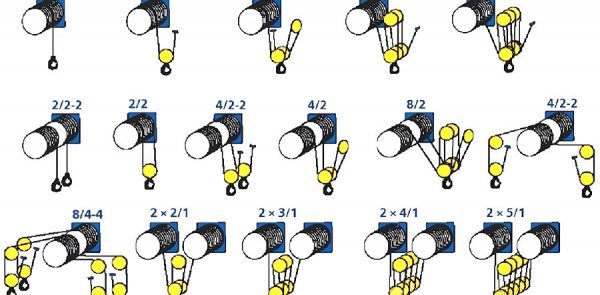
Guide to Drawing Crane Wire Rope Winding PathsIn the world of crane operations, the wire rope is the lifeline that ensures smooth and safe lifting. However, its winding path is often a source of confusion during installation, leading to potential safety risks and operational inefficiencies. This article dives into the art of drawing crane wire rope winding diagrams, offering practical tips to enhance clarity and accuracy. From choosing the right viewing angles to using color-coded paths and detailed labeling, we explore how to create diagrams that construction teams can easily interpret. Whether you’re a designer or an installer, mastering these techniques will not only improve communication but also ensure the crane operates at its best. Discover how to simplify complex winding paths, highlight critical areas, and provide clear instructions that keep safety and efficiency at the forefront.
Industry News|
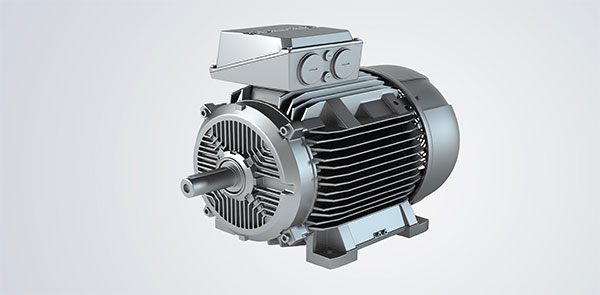
Three-Phase Induction Motors in CranesThree-phase induction motors are the core driving components in cranes and are widely used in various industrial settings. Their efficiency and reliability make them the most commonly used type of motor in cranes. This article will delve into the specific applications of three-phase induction motors in cranes, including their working principles, advantages, application scenarios, and…
TO TOP