
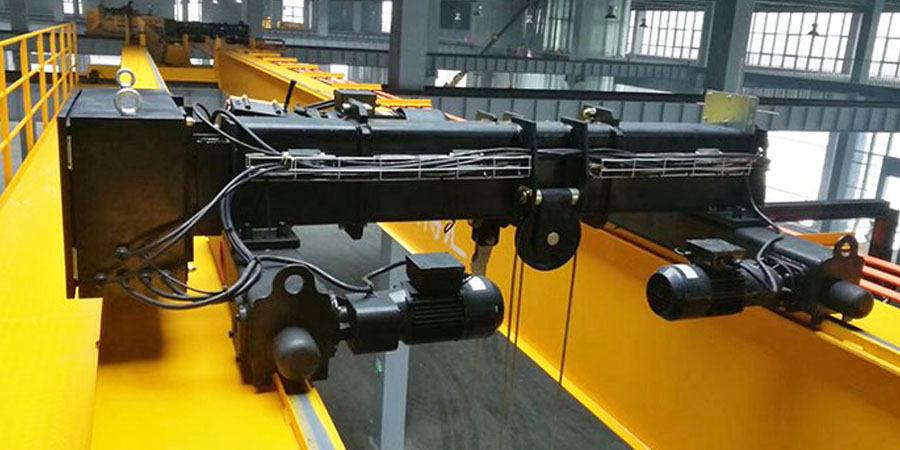
The crane motor is the primary power source for all lifting equipment, and a key core component at that. A malfunction in this motor will directly disrupt a crane’s regular operation, and create significant safety hazards for production.
Overloading is a leading common cause of motor breakdowns. When conducting lifting operations, pushing the load past the motor’s rated capacity triggers an overload condition, which in turn causes the motor to overheat.
A coil short circuitis another frequent motor fault. It can be caused by internal insulation aging or damage within the motor windings.
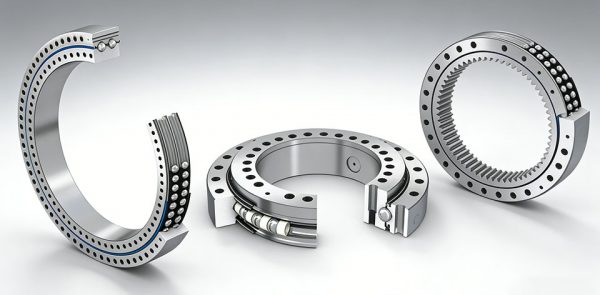
When a crane motor runs for long stretches, its bearings wear down from poor lubrication — and that takes a hit on the motor’s performance. Worn bearings will usually make strange noises as the motor’s running.
Winding insulation aging is a common fault source. With prolonged use, a motor’s winding insulation tends to age, thin out, or develop cracks—this can then cause short circuits in the windings.
Prevent the motor from overloading, step up monitoring during lifting operations and look into upgrading the motor’s thermal protection device to avoid unnecessary damage.
For a coil short circuit, conduct a comprehensive inspection to identify the faulty section and repair or replace damaged components.
For bearing damage, promptly replace the bearings and implement effective lubrication maintenance procedures.
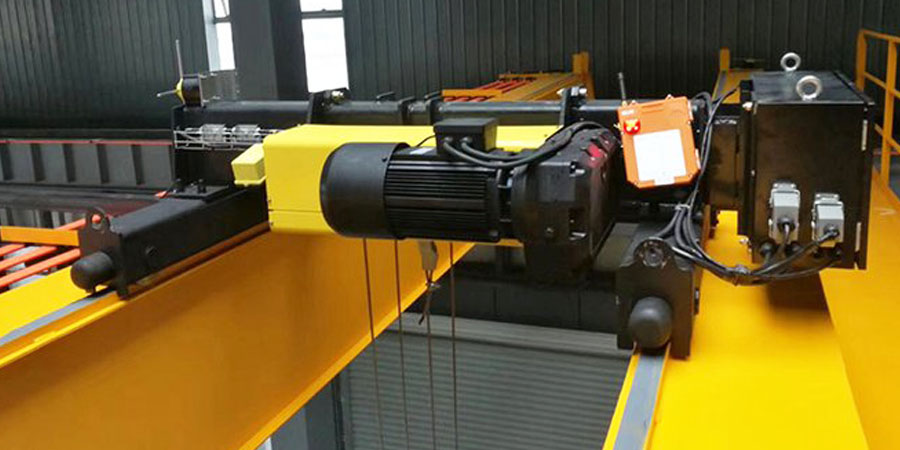
Before beginning any crane motor maintenance, get a clear fix on fault symptoms and their root causes with a thorough diagnostic check.
When repairing the motor, follow all crane operating procedures and safety regulations strictly.
Once repairs are done, carry out proper upkeep—including lubrication, cleaning and regular inspections—to safeguard crane safety.
Analyzing crane motor fault repair techniques is key to keeping equipment reliable and protecting personnel safety. Ramping up fault prevention and sticking to regular maintenance is how you keep crane performance at its optimal level.
TO TOP