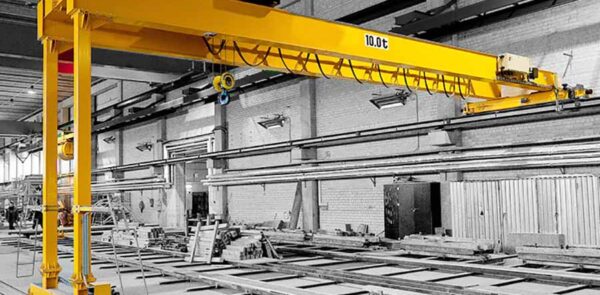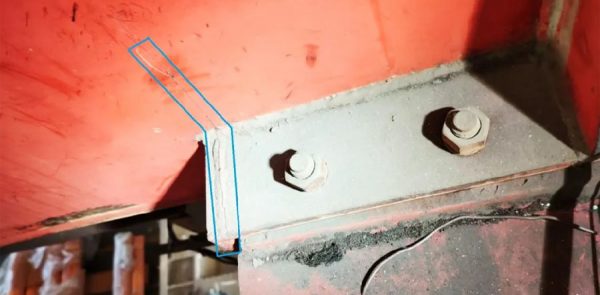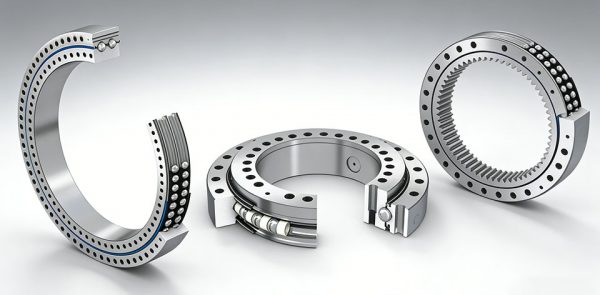

An aluminum gantry crane combines the characteristics of lightness and strength, making it an ideal lifting equipment for workshops, construction sites and factory settings. Thanks to its inherent advantages of aluminum material, it is not only easy to move but also has excellent rust-proof performance. Compared with traditional steel cranes, it can better meet the actual needs of most daily lifting operations.
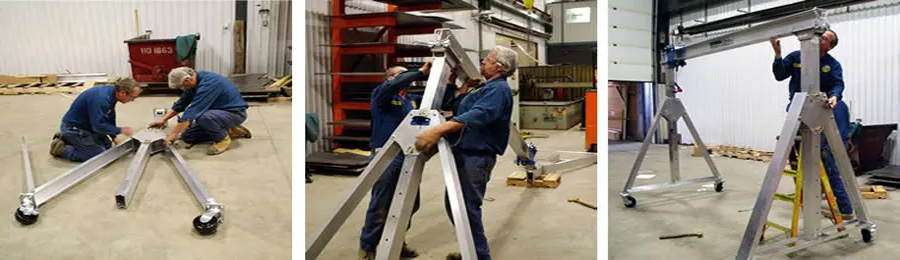
As a lifting equipment composed of two vertical legs and a horizontal main beam equipped with a hoisting winch, the main feature of aluminum gantry cranes is their ease of mobility - it only requires 2-3 people and no special equipment to move them easily. The equipment is convenient for disassembly and assembly, and can be directly placed in a pickup truck for transportation. Reassembling it at a new work site only takes about 30 minutes.
Add a 25% safety margin for maximum loads (e.g., 0.75 t load → 1 t rated crane). See details below:
| Capacity | Typical Loads | Aluminum Crane Weight | Steel Crane Weight | People to Move |
|---|---|---|---|---|
| 0.5 ton (1,000 lbs) | Small engines/equipment | 113-136 kg | 362-453 kg | 2 |
| 1 ton (2,000 lbs) | Car engines/machinery | 158-204 kg | 544-680 kg | 2 |
| 2 tons (4,000 lbs) | Industrial equipment/HVAC | 226-272 kg | 816-1134 kg | 2-3 |
| 3 tons (6,000 lbs) | Heavy machinery parts | 272-362 kg | 1134-1587 kg | 3 |
| 5 tons (10,000 lbs) | Very heavy loads | 315-453 kg | 1587-2268 kg | 3-4 |
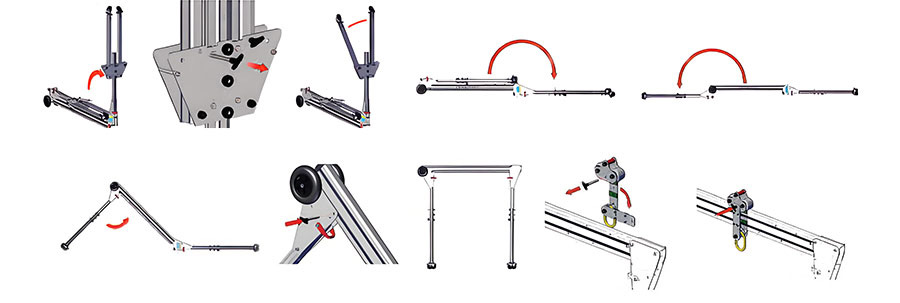
Span (distance between legs) impacts capacity—the longer the span, the lower the lift limit:
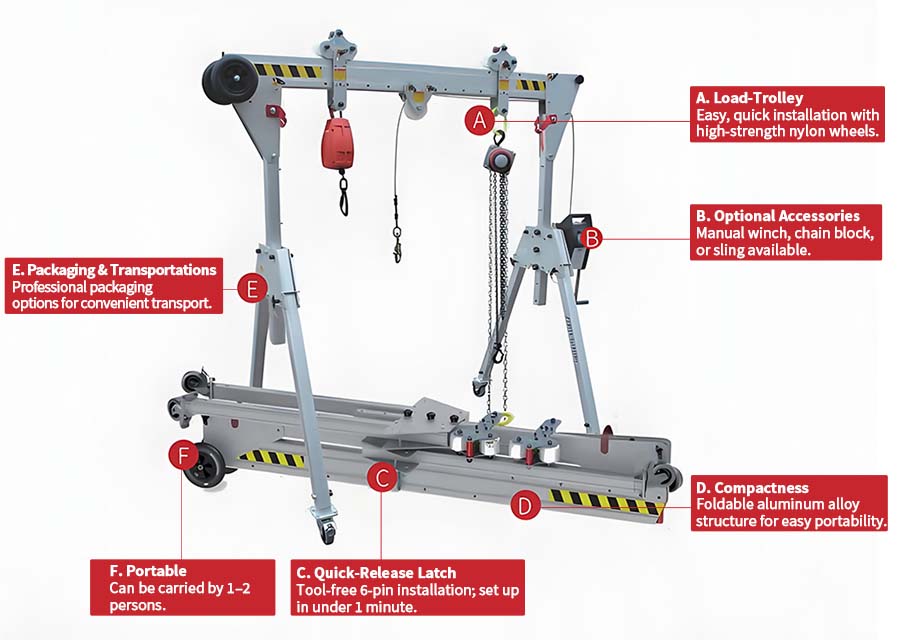
Most popular—bolts together/takes apart easily, fits through standard doors. Ideal for mobile crews (maintenance/construction) or workshops needing flexible lifting. Setup: 15-30 mins (2 people).
Legs have pin-adjustable height (2-4 ft range) for varying ceiling heights. Great for multi-site use or shops with uneven space.
No adjustability, but 15-25% cheaper. Best for permanent installations with consistent lifting needs.
Aluminum costs more upfront but saves money long-term. Here’s a quick price comparison:
| Capacity | Aluminum Price | Steel Price |
|---|---|---|
| 0.5 ton | $2,500-$4,000 | $2,000-$3,500 |
| 1 ton | $3,500-$5,500 | $2,500-$4,000 |
| 2 tons | $5,000-$8,000 | $3,500-$5,500 |
| 3 tons | $7,000-$10,000 | $5,000-$7,500 |
| 5 tons | $10,000-$15,000 | $7,000-$10,000 |
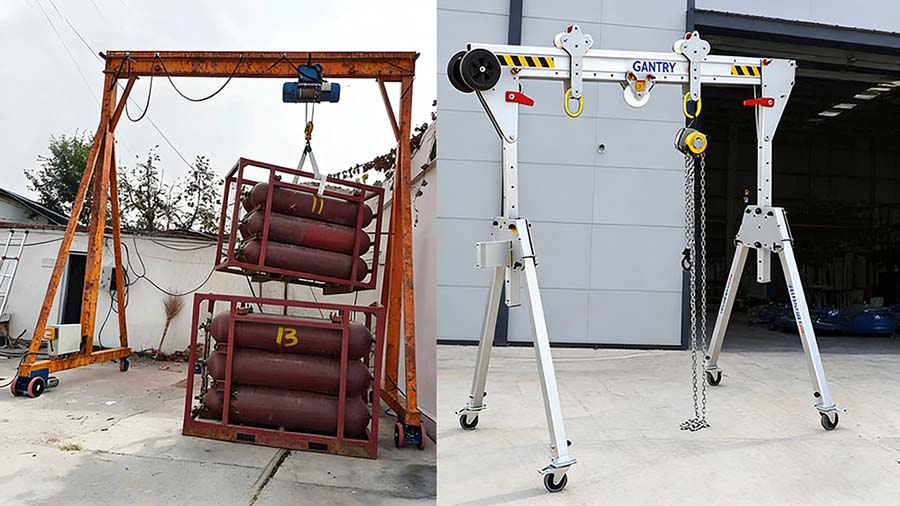
Yes, if:
15-25 years with proper care (aluminum doesn’t rust; replace hoist/wheels as needed).
Yes—aluminum resists rust, but cover hoist/components if possible (sun/weather wears moving parts).
Most settings require trained operators (check local regulations); no formal certification is always mandatory, but competence is key.
No—never use for personnel lifting (requires specialized equipment).
Risk of structural damage, hoist failure, or tipping—always stay within rated capacity.
Aluminum gantry cranes are well-rounded for load capacity, portability and sturdiness, working perfectly for regular lifting jobs between 0.5 and 5 tons. If you’re handling extremely heavy loads, steel gantry cranes are the way to go; but for most everyday lifting work, aluminum cranes will save you plenty of time and cost over the years. When picking one, make sure the load capacity and span fit your actual needs, keep safety top of mind, and pick a dependable gantry crane supplier — a quality aluminum gantry crane can be used for decades on end.
TO TOP